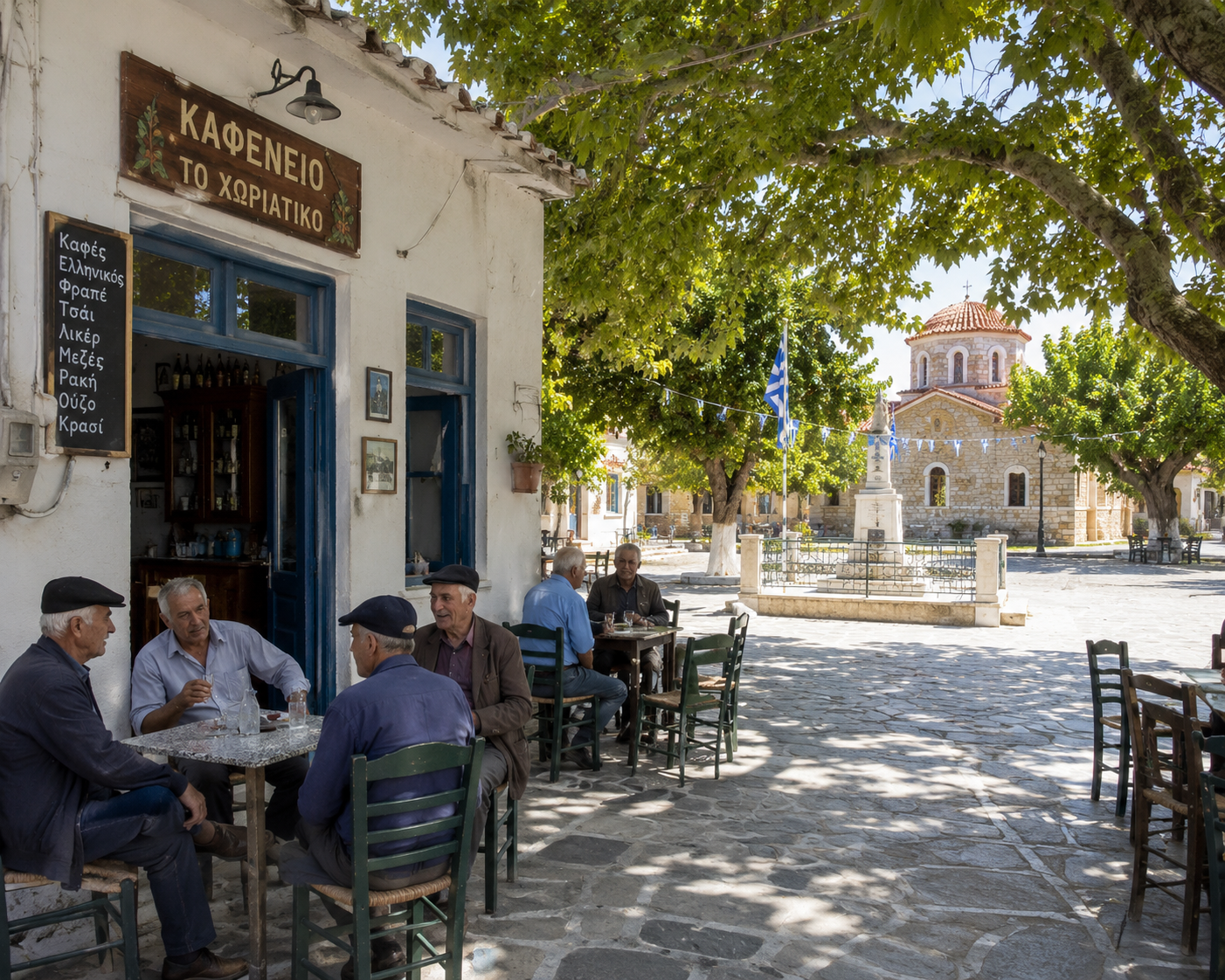
For the traveler who believes that a culture is best understood through its plate, Greece offers far more than a uniform experience of moussaka and salad. From the verdant Ionian landscapes to the volcanic soil of the Aegean, the country’s islands function as distinct gastronomic territories. For those looking to move beyond the postcards, these five destinations offer a profound connection to history, geography, and local tradition.
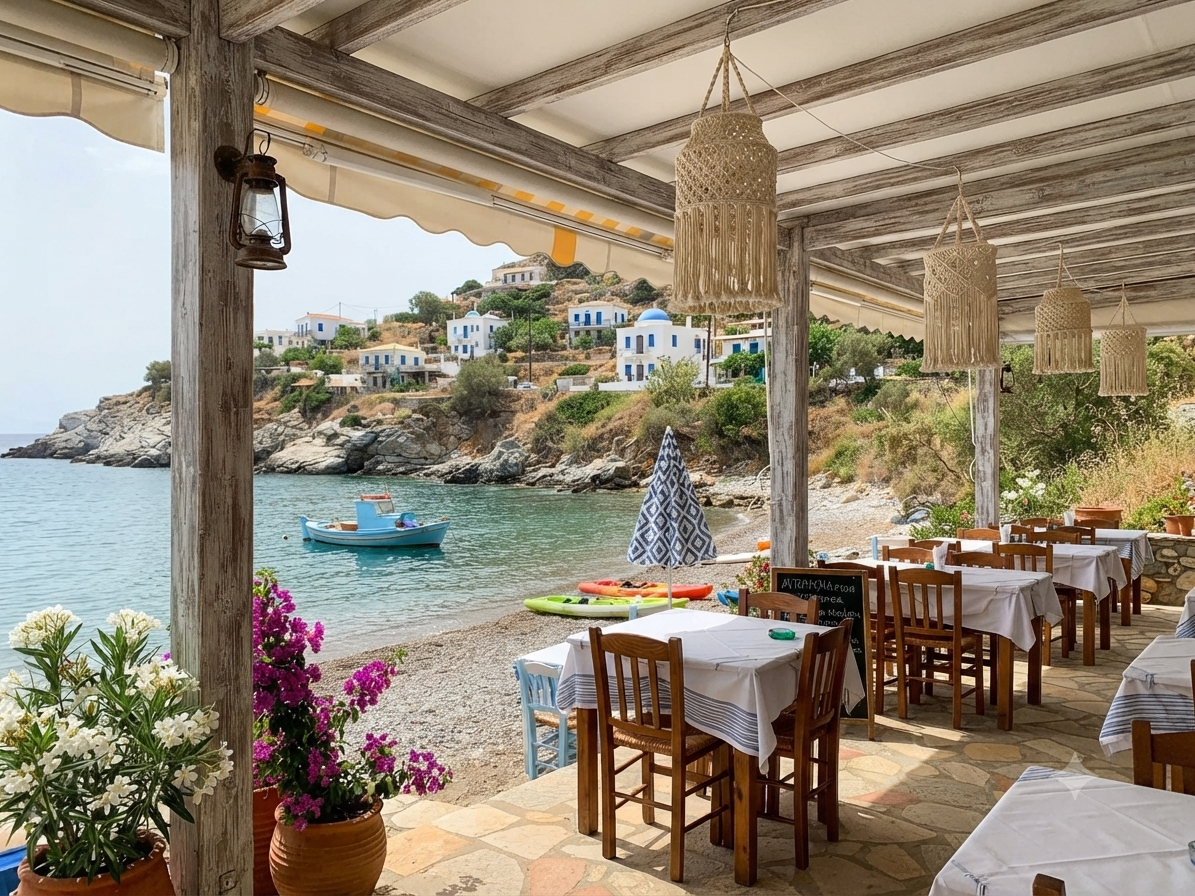
Corfu: A Mosaic of Flavors
Corfu’s table is a testament to its complex history, carrying clear Venetian, British, and French influences alongside an unmistakably Greek foundation. Travelers will find pastitsada—a rich, spiced meat and pasta dish—and sofrito, consisting of tender beef slow-cooked with garlic, parsley, and white wine, to be essential additions to any itinerary.
Beyond the plate, the island’s signature kumquat liqueur serves as a constant reminder of its unique microclimate. Corfu is the ideal choice for those who prefer handsome, historic architecture and lush, emerald scenery over the minimalist, whitewashed aesthetic of the Cyclades.
Chios: The Mastic Trail
Chios possesses a flavor identity that stands apart from the rest of Greece, largely due to mastiha. This aromatic resin, harvested from the mastic trees in the island’s southern villages, appears in everything from breads and ice creams to savory cooking, lending a subtle, pine-like note that feels simultaneously ancient and modern.
The culinary journey continues with exceptional citrus, traditional spoon sweets, and robust local cheeses. Travelers are encouraged to treat the medieval mastic villages as a primary destination rather than a quick stop; Chios rewards those who seek an island rhythm that remains refreshingly independent of mass tourism.
Syros: Urban Sophistication meets Cycladic Comfort
As the administrative heart of the Cyclades, Syros offers a more sophisticated, year-round energy. Ermoupoli’s grand neoclassical streets provide a stark, elegant contrast to the typical village square. The local pantry is equally refined, featuring delicacies such as loukoumi (Turkish delight), halvadopita (nougat wafers), artisanal cured meats, and the celebrated San Michali cheese.
Because Syros maintains a significant local population throughout the year, it offers a deeply authentic dining culture that remains vibrant well beyond the peak summer months. It is the perfect stop for a long weekend, offering a seamless blend of city dining and quiet, seaside sunsets.
Milos: Volcanic Bounty
While Milos is world-renowned for its dramatic, moon-like coastline, its volcanic terrain creates an equally compelling culinary landscape. The island’s produce—specifically its capers, sun-ripened tomatoes, and almonds—provides a savory foundation for the local seafood.
The perfect introduction to Milos’ domestic cooking is pitarakia, small, flavor-packed cheese pies. To truly experience the island, travelers should look beyond the bustling harbor towns of Pollonia and the famous fishing settlement of Klima. Often, the most memorable meals are found in quiet inland tavernas or at small, family-run spots tucked away from the main tourist paths.
Ikaria: The Art of Slow Living
Ikaria is perhaps the antithesis of the modern, high-pressure vacation. Its food culture is defined by small-scale agriculture: home gardens, free-roaming goat herds, wild herbs, and robust red wines. The heart of the island’s social life is the panigyri—communal festivals that bring villages together for music, conversation, and slow-cooked, shared meals.
Visitors should expect hearty stews, foraged greens, and a refreshing indifference to the clock. Ikaria is not a place for a curated restaurant checklist; it is a destination for those who want to see food as an extension of community life. Travelers who commit to the journey and embrace the island’s legendary pace will find a profound sense of belonging.