


When people think of Greece, a few familiar images usually come to mind: whitewashed houses, blue-domed churches and crowded summer beaches. These places have earned their popularity, but they represent only part of the country.
Elsewhere, small communities are trying to preserve their traditions, maintain local livelihoods and give younger generations reasons to stay. Tourism could play a useful role in that effort, provided it develops with the needs of residents in mind.
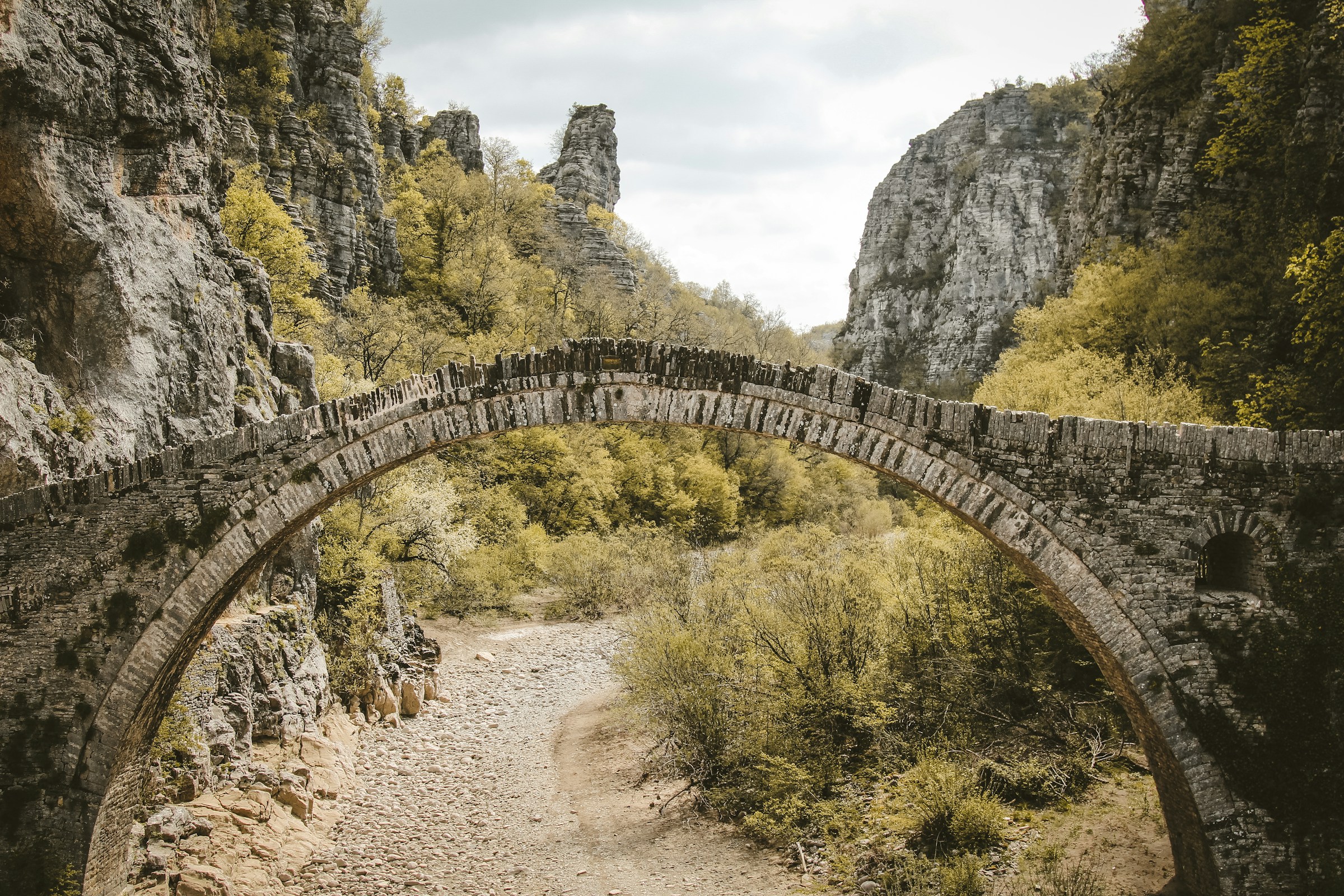
In northwestern Greece, the stone villages of Zagori offer an interesting example. Their traditional architecture, old bridges and mountain paths reflect centuries of local history. In 2023, UNESCO recognised the Zagori Cultural Landscape as a World Heritage Site. Yet recognition also brings responsibility. More visitors can support guesthouses, restaurants and local craftspeople, but development needs to respect the character of the villages and the people who live there.
On the Dodecanese island of Tilos, another story is unfolding. The island has invested in renewable energy, combining wind and solar power with battery storage. Its experience shows how a small island community can take an active role in shaping its future. For visitors, Tilos offers more than a quieter holiday. It provides an opportunity to see how local priorities and environmental choices influence everyday island life.
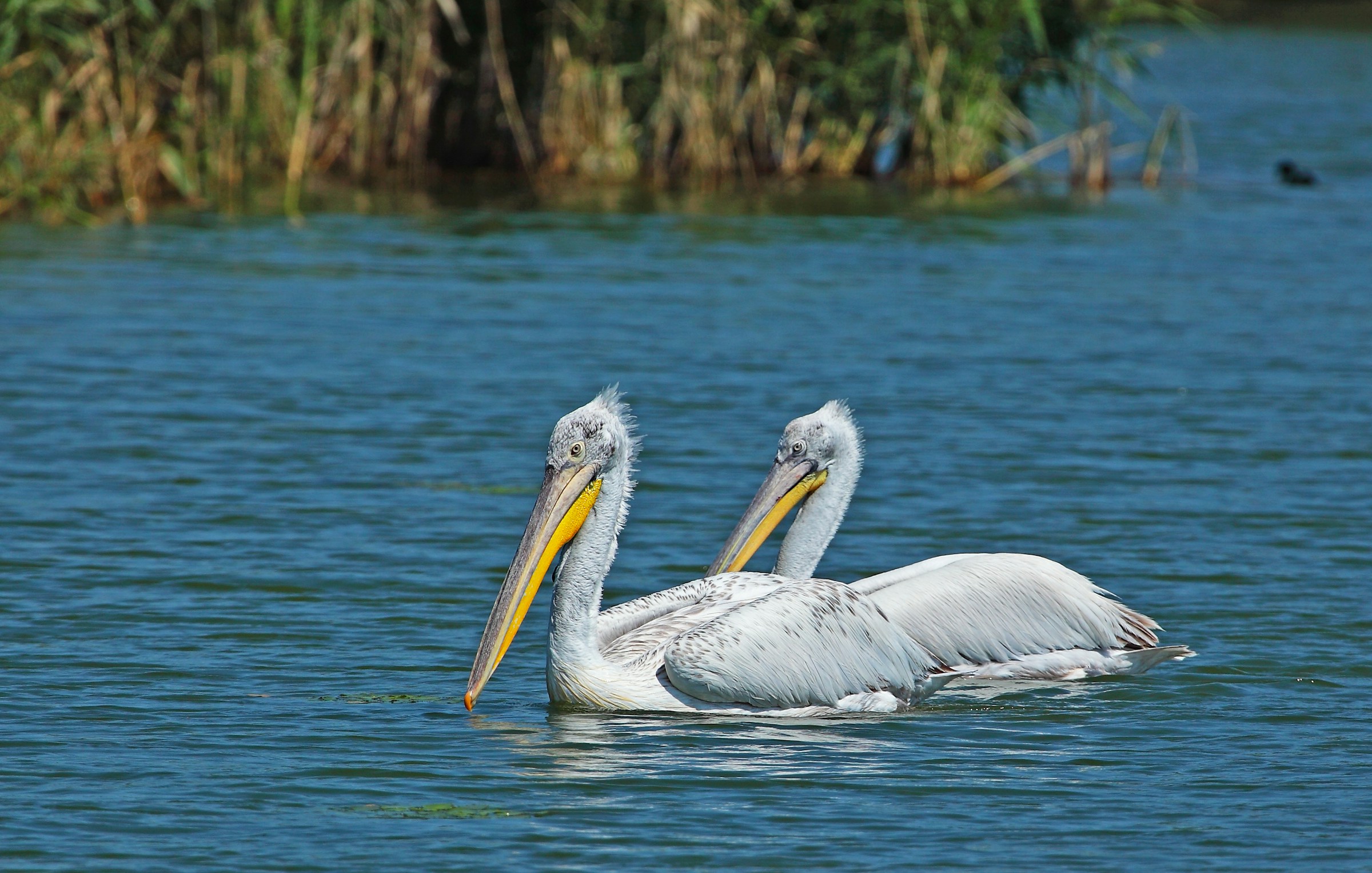
Then there is Prespa, in northern Greece, where lakes, villages and rich birdlife create a very different landscape from the country’s familiar coastal destinations. Tourism here can encourage interest in nature and local culture, particularly when visitors choose local accommodation, guides and businesses.
These places do not need to become the next Santorini. In fact, trying to reproduce the same tourism model everywhere could undermine what makes them worth visiting.
The challenge is not simply attracting more people. It is creating opportunities that last beyond the summer season, ensuring local businesses benefit and allowing communities to influence how tourism develops.
That requires cooperation between residents, businesses and local authorities. It also asks something of travellers: to spend time in a place, learn a little about it and recognise that daily life continues long after visitors leave.
Greece has no shortage of remarkable destinations. Perhaps the more important question is how tourism can help smaller communities remain places where people want to live, rather than places that exist mainly to be visited.


