Greek cuisine is often introduced through a familiar handful of dishes: moussaka, souvlaki, tzatziki and Greek salad. But for travellers willing to look beyond the classics, Greece offers a much richer culinary journey — one shaped by mountains, islands, vineyards, local producers and centuries-old traditions.
From Crete to Chios and Naxos to the vineyards of the Peloponnese, every region has its own flavours worth seeking out.
Start in Crete with Dakos
One of the best ways to discover Cretan cuisine is through dakos, a simple but deeply satisfying dish made with barley rusk, ripe tomatoes, local cheese, olive oil and herbs. The combination is wonderfully rustic: crunchy paximadi softened by juicy tomatoes, creamy cheese and fragrant extra virgin olive oil.
But Cretan food goes far beyond dakos. Look for wild greens (horta), local cheeses, slow-cooked meats, stuffed vegetables and dishes prepared with the island’s exceptional olive oil. In many villages, the best meal may be the one that was never designed for tourists in the first place.
Discover the Flavours of Chios
Chios has one ingredient that immediately sets its cuisine apart: mastiha. Produced from the mastic trees of southern Chios, this aromatic resin appears in everything from sweets and biscuits to liqueurs and other local products.
Try ypovrichio, the traditional spoon sweet often enjoyed as a little sugary treat, or sample mastiha liqueur after dinner. The island also has its own cheeses, citrus fruits from the historic Kampos area and traditional spirits, making a food-focused visit particularly rewarding.
Make Time for Naxos’ Cheese
Naxos is one of the most fertile islands in the Cyclades, and its food reflects that abundance. The island is particularly famous for its cheeses, including graviera, arseniko and xinotyro, as well as its celebrated potatoes.
Visit a local cheese producer or shop and try several varieties side by side. Then look for them on a taverna menu alongside roasted meats, local vegetables or freshly baked bread. Naxian cuisine is at its best when the ingredients are allowed to speak for themselves.
Follow the Wine Trails of Macedonia and Nemea
Greek wine deserves a place on every foodie’s itinerary. Vineyards across the country produce wines from distinctive local grape varieties, with Macedonia and the Peloponnese offering particularly interesting routes for wine lovers. Greece has numerous PDO and PGI wine regions, reflecting the strong connection between wine and place.
In Nemea, look for wines made from Agiorgitiko, one of Greece’s best-known red grape varieties. In northern Greece, explore the wineries of Macedonia and discover a wine culture that is increasingly attracting international attention.
How to Eat Like a Local
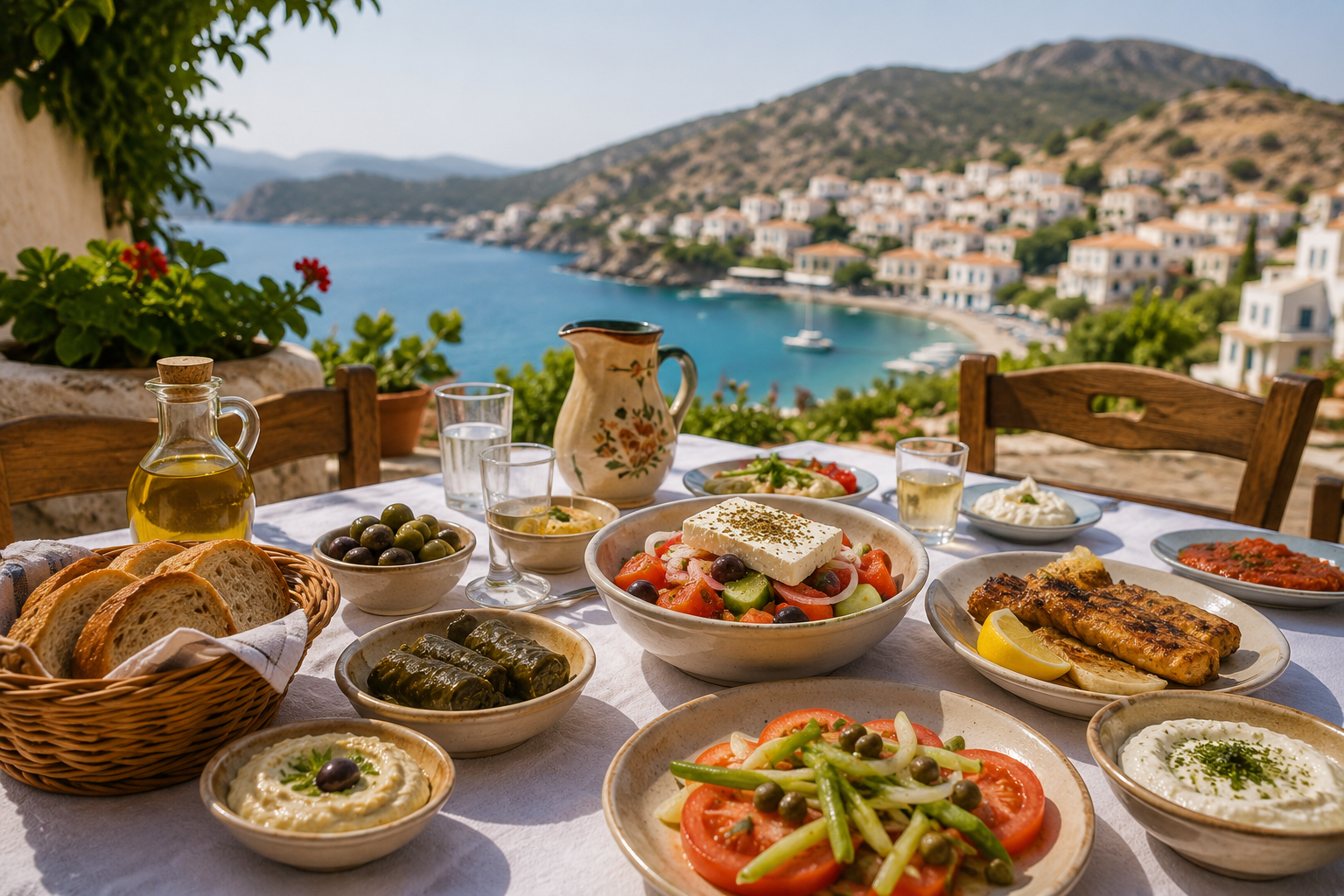
The best Greek meals are rarely about ordering one main course per person. At a traditional taverna, order several mezedes for the table and share. Ask what is fresh that day, particularly if the menu includes mageirefta — home-style cooked dishes prepared in the kitchen.
And don’t be afraid to ask your server for advice. A simple “Ti echete freshko?” (“What do you have fresh?”) can lead you towards dishes you might otherwise overlook.
Take your time, order some local wine, leave room for something sweet and resist the temptation to rush. In Greece, food is not simply something to eat between sightseeing stops. It is part of the experience itself.
So, on your next trip, leave some space in your itinerary — and your appetite — for the Greece that exists beyond moussaka and souvlaki.