One of Greece’s most legendary landscapes has received one of the world’s highest distinctions. Mount Olympus, the mythical home of the ancient Greek gods, has officially been inscribed on the UNESCO World Heritage List, recognised for both its exceptional natural environment and extraordinary cultural significance.
The decision was taken unanimously during the 48th session of the UNESCO World Heritage Committee in Busan, South Korea, confirming what Greeks and travellers have known for centuries: Olympus is far more than a mountain. It is a place where mythology, history and nature come together in a landscape unlike anywhere else.
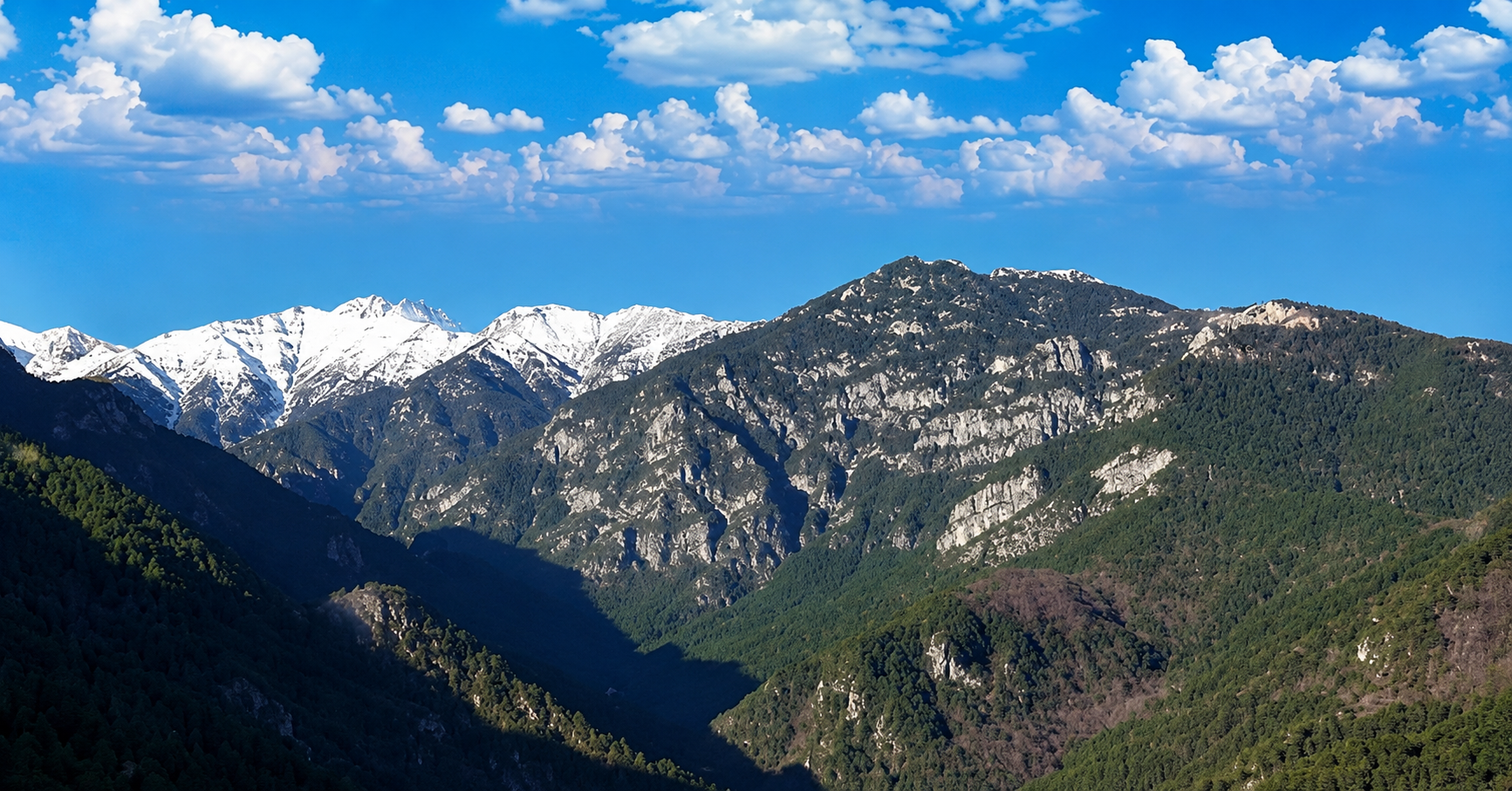
Rising to 2,918 metres at Mytikas, Greece’s highest peak, Olympus has been associated with Zeus and the twelve Olympian gods since antiquity. Today, its dramatic gorges, dense forests, alpine landscapes and remarkable biodiversity attract hikers, climbers and nature lovers from around the world.
More than 50,000 people are estimated to climb Mount Olympus each year, with around 6,500 attempting to reach Mytikas. Following its UNESCO recognition, interest in the mountain is expected to grow even further.
Yet the new status is about much more than attracting visitors. It also places greater emphasis on protecting Olympus from pressures including increasing tourism and climate change, ensuring that its fragile ecosystems and cultural legacy are preserved for future generations.
The recognition adds another chapter to a long history of protection. Olympus became Greece’s first national park in 1938 and was designated a UNESCO Biosphere Reserve in 1981.
For travellers, the message is simple: if Mount Olympus was not already on your Greece itinerary, there has never been a better reason to discover the legendary “Mountain of the Gods.”