The soul of Greece is not found on a map of famous beach clubs or high-end resorts; it is found in the rhythmic scrape of a knife against a wooden cutting board, the scent of wild oregano carried on the Aegean breeze, and the shared clinking of glasses filled with local wine. While many islands offer beautiful vistas, only a select few possess a culinary heartbeat strong enough to define the travel experience itself.
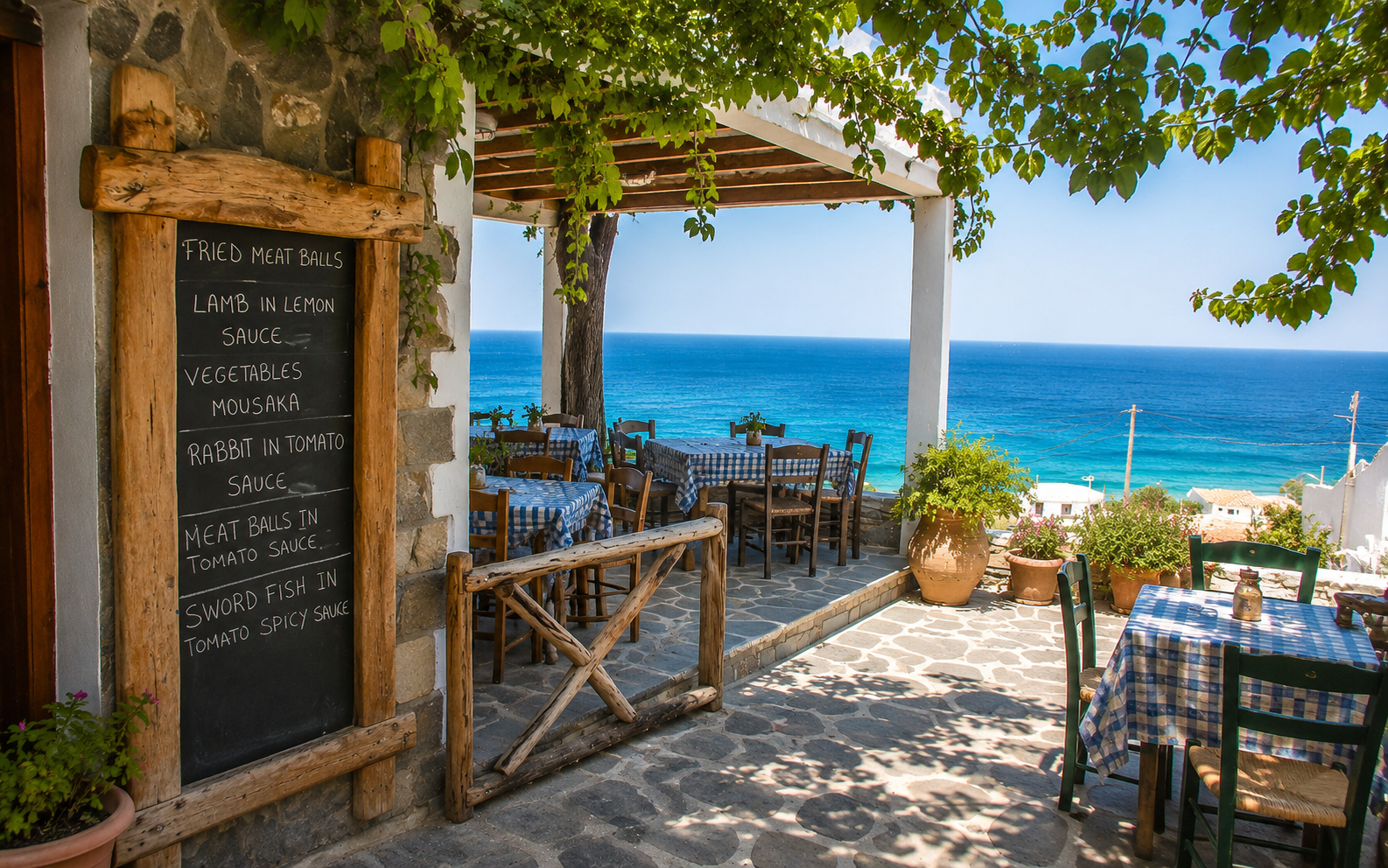 In these destinations, the local pantry dictates the menu. Dining here is an exercise in patience and appreciation, where taverna owners cook with the shifting pulse of the seasons and a simple, unhurried lunch in a sun-drenched village square inevitably becomes the indelible highlight of your trip. Here, history is not kept in museums, but in the recipes passed down through generations—a living heritage of oil, grain, salt, and fire. If you are looking for an itinerary defined by flavor, where every meal feels like a conversation with the land and the people who tend it, these five islands stand apart for their deep-rooted culinary traditions and exceptional, hyper-local produce.
1. Crete: The Culinary Giant
Crete is less an island restaurant scene than an entire culinary region. Its scale allows for incredible diversity, from mountain-shepherding communities to the fish tavernas of the south coast. Cretan food is famously “deceptively simple,” relying on the island’s high-quality olive oil, wild herbs, and seasonal ingredients.
-
Must-Try: Dakos (barley rusk topped with tomato and soft cheese), kalitsounia (sweet or savory cheese pies), and chochlioi boubouristi (fried snails with rosemary).
-
The Experience: Venture inland. The best dishes are often found in village tavernas far from the coastal resorts, serving recipes that have been passed down for generations.
2. Sifnos: The Clay-Pot Capital
Sifnos has long been the quiet benchmark for Cycladic cooking. The island’s food culture is intrinsically linked to its pottery tradition, with clay vessels used for slow-cooking that results in incredibly tender and flavorful stews.
-
Must-Try: Revithada (a fragrant chickpea stew baked overnight) and mastelo (lamb or goat marinated in red wine and dill, baked in a clay pot).
-
The Experience: Perfect for travelers who want a polished but rooted experience. Enjoy unhurried lunches in the hilltop villages of Apollonia or Artemonas.
3. Naxos: The Agricultural Heart
Naxos is the most fertile island in the Cyclades, producing a bounty of potatoes, citrus, and some of Greece’s most celebrated cheeses. It is a practical, family-friendly food destination where you can move seamlessly between high-end dining and humble, authentic tavernas.
-
Must-Try: Graviera and arseniko cheeses, roast pork, lemony rabbit, and any dish featuring the famous local Naxian potato.
-
The Experience: Drive into the mountainous interior villages like Apeiranthos and Filoti to see the agricultural life that fuels the island’s incredible kitchen.
4. Lesvos: The Meze Master
Lesvos offers a food experience distinct from the Cyclades, heavily influenced by its Asia Minor history and volcanic landscape. It is the home of ouzo, and the dining culture is centered around the meze—a seemingly endless procession of small, flavorful plates shared over long, leisurely afternoons.
-
Must-Try: Salted fish, grilled sardines—especially in the village of Skala Kallonis—and a variety of unique local cheeses.
-
The Experience: This is an island for slow living. Find a waterfront spot in a fishing village, order a chilled glass of local ouzo, and enjoy the generous, unhurried pace of island life.
5. Tinos: The Rising Star
Tinos has recently emerged as a leader in Greece’s contemporary food scene, yet its soul remains firmly in its soil. Local ingredients like artichokes, capers, sun-dried tomatoes, and wild honey are treated with both respect and creative flair by a new generation of chefs.
-
Must-Try: Dishes featuring local artichokes, Tinian pork sausages, and creative, modern spins on traditional Cycladic recipes.
-
The Experience: Ideal for travelers who appreciate the classic Cycladic aesthetic but want to avoid the crowds. Explore the interior stone villages for a “food-literate” experience that feels both ancient and refreshingly modern.
A Note for Your Travels
To truly experience these islands, travel in June or September. Tavernas are fully operational, the produce is at its peak, and you avoid the logistical pressures of the peak August season. When you arrive, remember the best advice: look for short, seasonal menus, and don’t be afraid to ask what’s cooking that isn’t written on the menu at all.