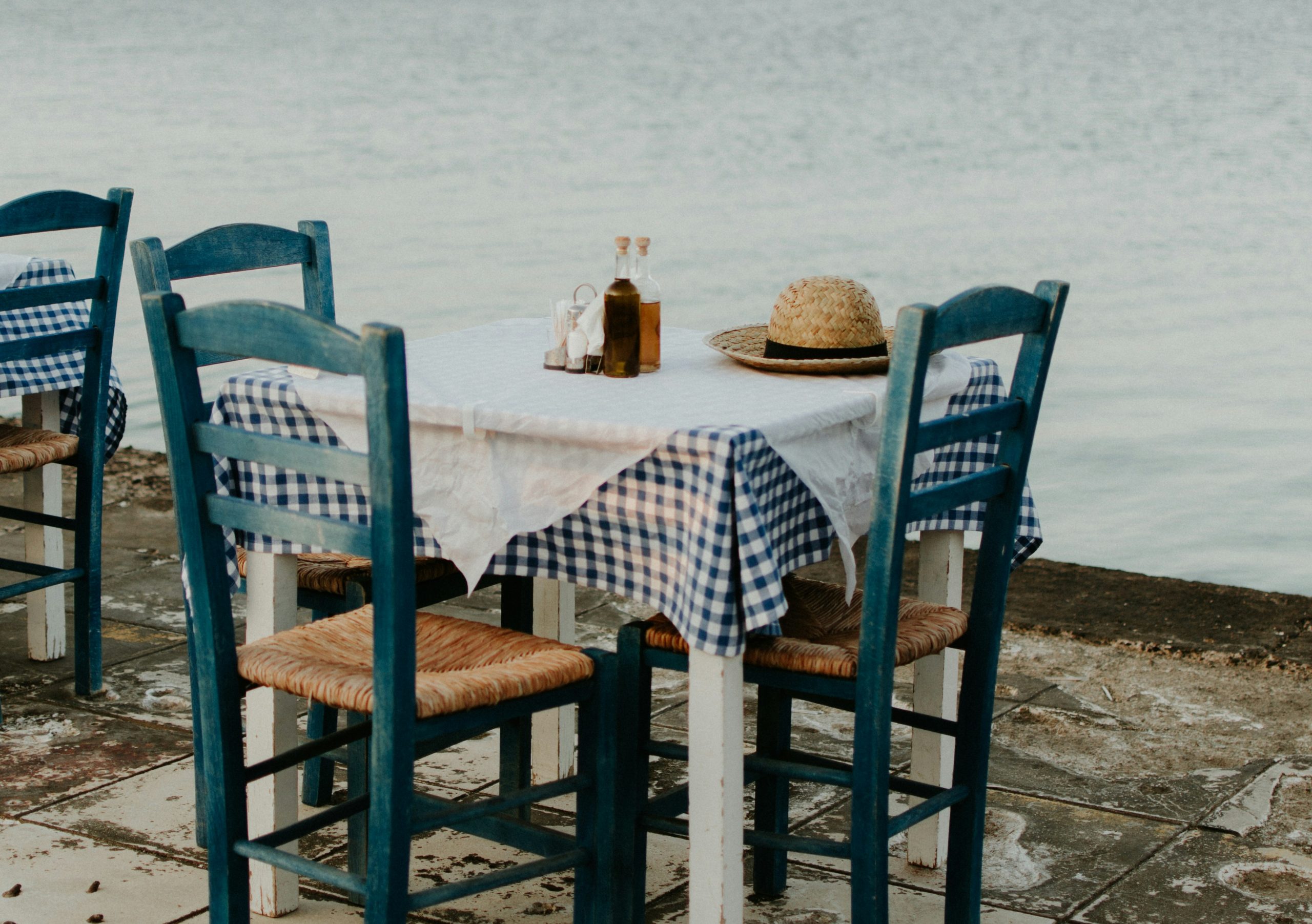
Forget the idea of a single beach holiday. An island-hopping journey through Greece is something else entirely—part travel, part sensory overload, part slow surrender to a rhythm you didn’t know you were missing. One moment you’re walking through ancient stone alleys, the next you’re diving into water so clear it feels unreal, and by evening you’re watching a sunset that briefly convinces you time has stopped.
With thousands of islands scattered across the Aegean Sea and Ionian Sea, the only real challenge is choosing where to go next.
The Cyclades: Postcards That Move
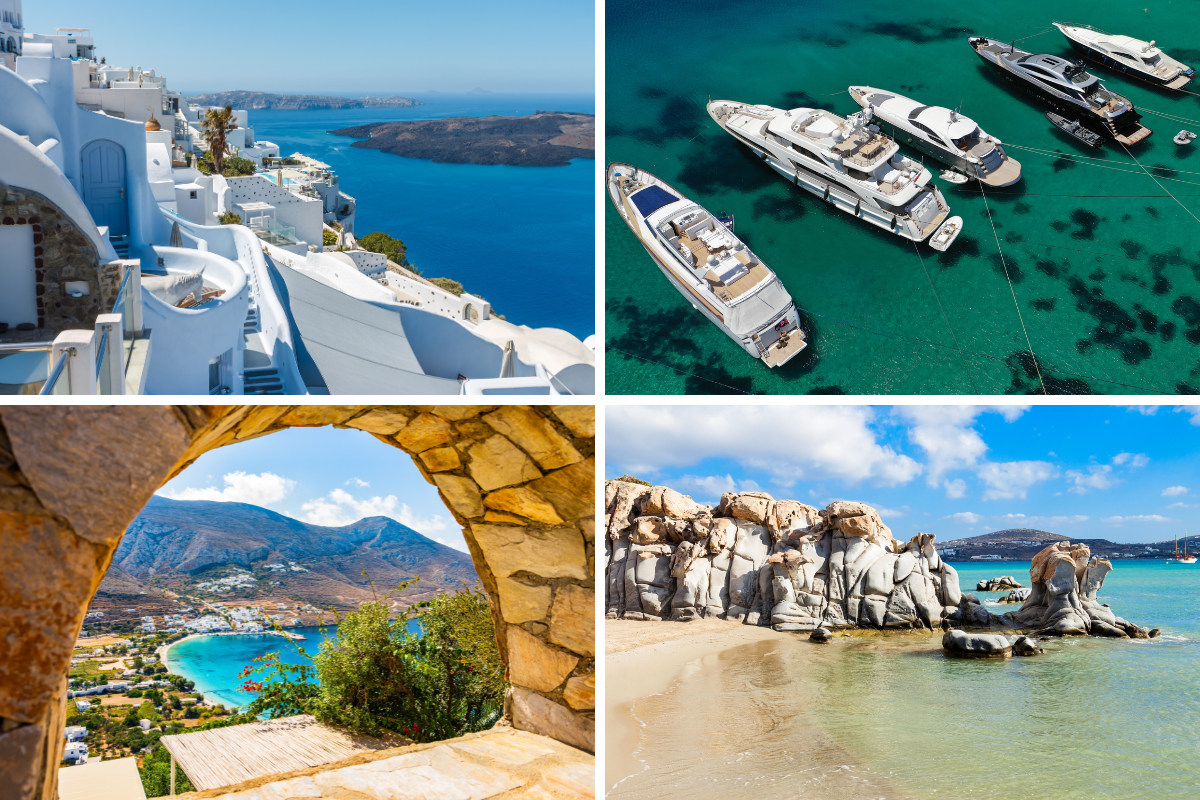
The Cyclades are the version of Greece most people picture first—whitewashed buildings stacked against volcanic rock, blue-domed churches, and light so bright it feels almost edited.
On the romantic edge of the group is Santorini, where the real attraction isn’t just the scenery—it’s the pause it forces on you. Watching the sun drop into the caldera, you understand why people plan entire trips around that moment alone.
Then there’s Mykonos, where narrow streets spill into beach clubs and late nights blur into early mornings. It’s polished, energetic, and unapologetically social.
For something slower, Naxos and Paros offer a different rhythm—less spectacle, more texture. You’ll find quiet beaches, family-run tavernas, and villages where daily life hasn’t been redesigned for visitors.
The Ionian: Green, Soft, and Unexpectedly Wild
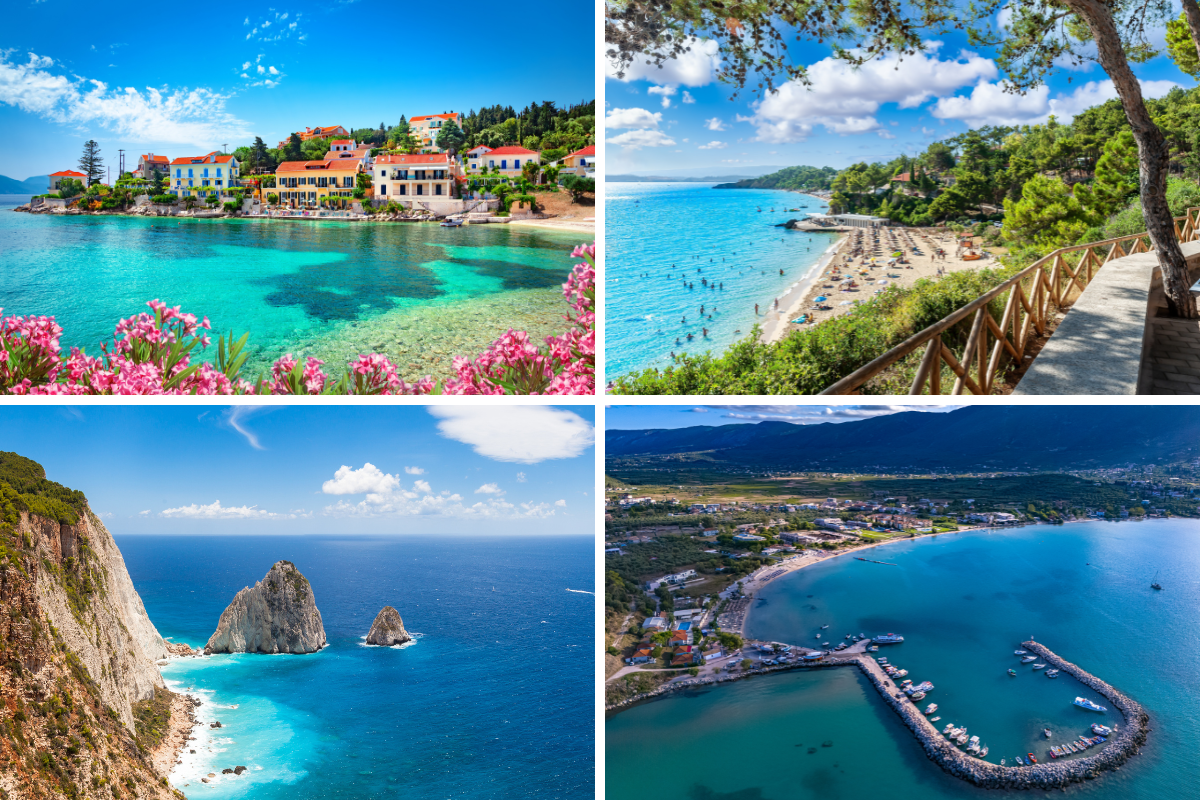
West of the mainland, the Ionian islands feel like a different country entirely. Where the Cyclades are sun-bleached and minimal, this side of Greece is lush—green hills, cypress trees, and water so saturated in color it looks almost artificial.
Corfu greets you with Venetian elegance and winding old streets that feel more Italian than Aegean. Meanwhile, Kefalonia delivers dramatic cliffs and beaches like Myrtos, where the sea shifts between shades of deep cobalt and electric blue.
And then there’s Mykonos—home to one of the most photographed coves in Europe. But beyond the famous viewpoints, the island rewards anyone willing to wander just a little further.
The Dodecanese: Layers of Time on the Water
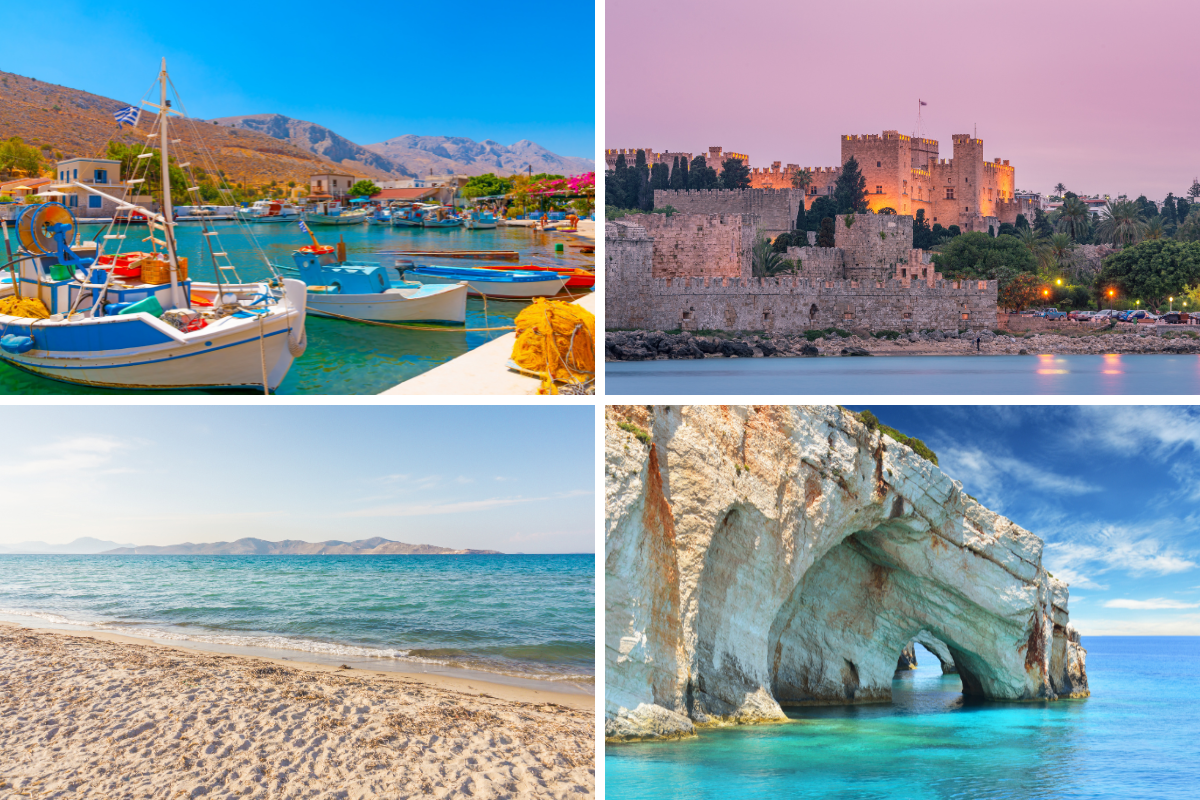
Closer to the Turkish coast, the Dodecanese islands feel like a crossroads of civilizations. Here, history isn’t tucked away in museums—it’s built into the streets.
Rhodesis the standout, with its medieval old town still wrapped in stone fortifications. You can spend the morning tracing the paths of knights and empires, then be on a beach by afternoon without breaking stride.
Nearby, Kos offers a more relaxed balance—ancient ruins scattered beside modern cafés, and long coastal stretches that invite unhurried afternoons.
The Logistics: Moving Through the Islands
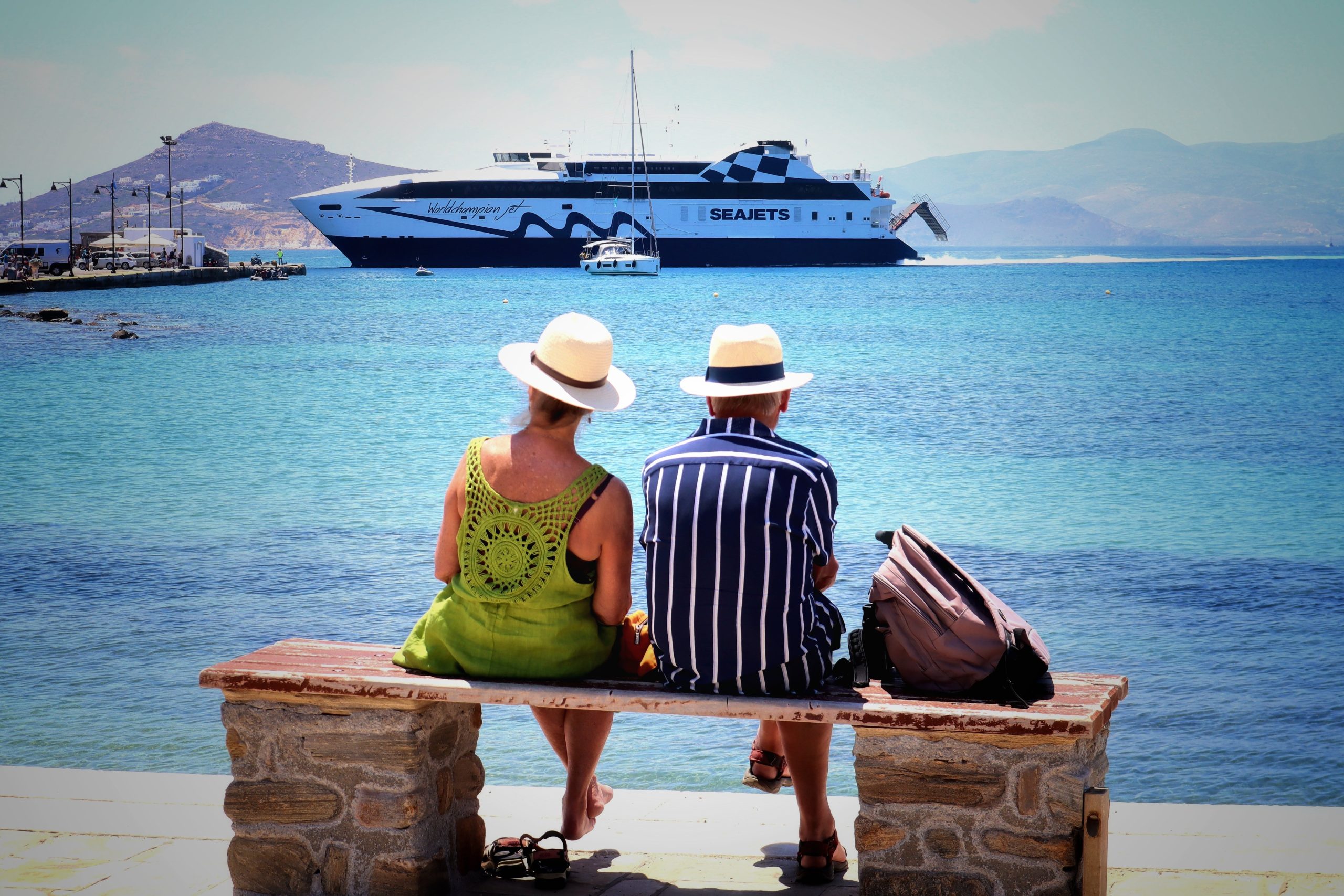
Most journeys begin in Athens, where the port of Piraeus and the international airport connect the mainland to the islands like a launch point into another world.
From there, ferries become your main rhythm. High-speed boats cut travel time significantly, while slower ferries offer something harder to quantify: the simple pleasure of watching islands rise out of the horizon one by one. For those looking to elevate the experience, private charters turn the sea itself into your itinerary.
The real secret, though, is pacing. Two to four days per island is the sweet spot—enough time to settle into a place, not just pass through it.
The Flavor of Greece: Simple, Sharp, Unforgettable