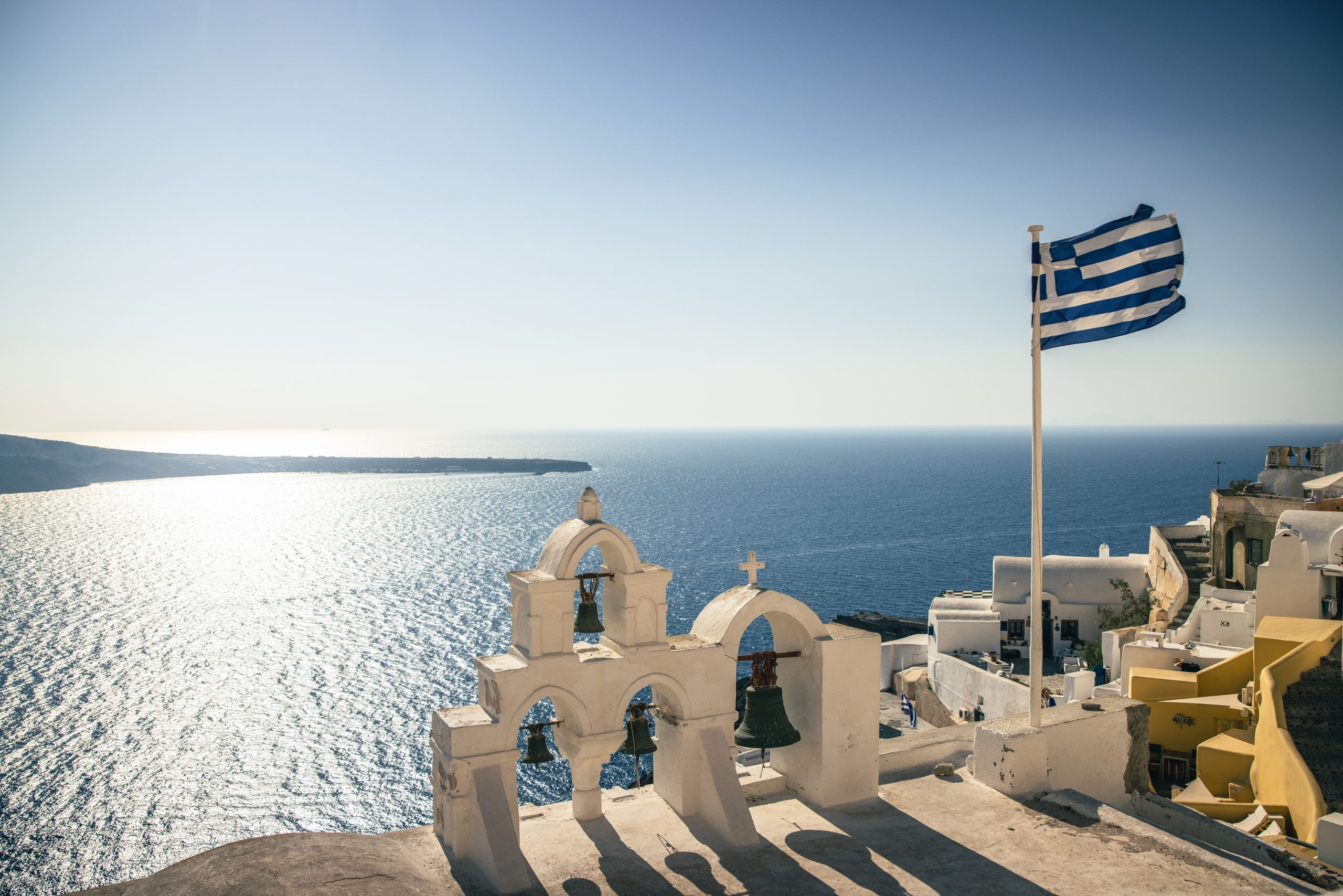
That first image people carry of Greece is usually summer – whitewashed villages, cobalt water, late dinners by the sea. But when is the best time to visit Greece really depends on what kind of trip you want, because a Cycladic beach escape, a cultural Athens city break, and a hiking-focused island itinerary all peak at different moments on the calendar.
For most travelers, the sweet spot is late spring to early summer, especially May and June, or early fall, particularly September and early October. These months deliver the Greece many visitors hope for: warm weather, long daylight hours, active ferry networks, open hotels and restaurants, and a more relaxed atmosphere than the height of July and August. Still, there is no single perfect answer. Greece changes dramatically by season, and that is exactly what makes timing matter.
So when is the best time to visit Greece?
If you want the broadest mix of good weather, manageable crowds, and strong destination choice, aim for May, June, September, or early October. This is when Greece feels open, vivid, and highly travelable without being at its most intense.
In May, wildflowers still color many landscapes, the air is fresh, and archaeological sites are far more pleasant than they will be in midsummer. June adds hotter beach weather and a fuller tourism rhythm, but often without the packed ferries and inflated room rates of peak season. September is arguably the standout month for many travelers. The sea is still warm from summer, the light is beautiful, and the mood across many islands shifts from frenetic to easygoing. Early October can also be excellent, especially for southern islands and city-and-culture itineraries.
These shoulder-season months work particularly well for couples, first-time visitors, and travelers combining islands with Athens or the mainland. You get the visual splendor Greece is known for, but with a little more breathing room.
Greece by Season
Spring brings color, culture, and easier sightseeing
Spring, especially from April through June, is one of Greece’s most rewarding seasons. The landscapes look greener than many travelers expect, especially on the mainland and larger islands. Hiking trails are at their best, city walks feel comfortable, and major ancient sites are far more enjoyable before the summer heat settles in.
April can be a smart choice for travelers interested in Easter traditions, local festivals, and lower rates, although sea temperatures may still feel cool for long beach days. By May, many island destinations are fully waking up, with more ferry routes, reopened boutique hotels, and a polished but not overcrowded atmosphere. Crete, Rhodes, Corfu, and the Cyclades all begin to hit their stride.
Spring is especially appealing if your Greece trip leans toward culture, food, scenic drives, and outdoor activity rather than nonstop swimming. It is also one of the most photogenic periods, with clear light and fewer sun-bleached landscapes.
Summer is classic Greece, with all the highs and trade-offs

July and August are peak season for a reason. The weather is reliably hot, beach clubs and waterfront restaurants are in full swing, ferries run frequently, and the islands feel alive late into the night. If your dream trip includes long beach days, nightlife, stylish hotels, and that unmistakable summer energy, this is when Greece delivers it at full volume.
But summer comes with trade-offs. The most famous destinations, especially Santorini and Mykonos, can feel extremely crowded. Prices climb sharply. Advance booking becomes essential, not just for hotels but often for ferries, car rentals, and popular restaurants. Inland cities, including Athens, can be very hot during the day, which changes the pace of sightseeing.
This is the best season for travelers who want Greece at its most social and sun-drenched and who do not mind paying more for the experience. Families traveling during school holidays often have little flexibility here, and Greece remains a strong summer choice, especially if you choose islands or regions with more space, such as Naxos, Paros, Crete, or parts of the Peloponnese.
Fall offers warm seas and a calmer rhythm
Fall is one of the most appealing answers to the question of when is the best time to visit Greece. September is exceptional. The sea is warm, the harshest heat has usually eased, and many summer crowds begin to thin, especially after the first half of the month.
October can be excellent too, particularly in southern Greece. Crete, Rhodes, and parts of the Dodecanese often stay pleasantly warm well into the season. Athens also becomes much easier to enjoy, with milder afternoons and a more local feel after the peak crush of summer.
The main thing to watch in fall is timing. Some seasonal businesses on smaller islands begin to reduce hours or close later in October. Ferries remain active, but the high-summer density of connections may taper. For many travelers, that is a worthwhile trade for softer light, lower rates, and a more refined pace.
Winter is underrated for cities, history, and local life
From November through March, Greece becomes a very different proposition. This is not the season for a classic island-hopping trip, especially on smaller seasonal islands, where many hotels and restaurants close. But for city breaks, archaeology, mountain villages, food-focused travel, and a more local experience, winter can be surprisingly compelling.
Athens is particularly strong in winter. You can visit major museums and ancient sites without the pressure of peak crowds or punishing temperatures. Thessaloniki also shines, with its café culture, layered history, and lively culinary scene. Mainland destinations, from Nafplio to Epirus, can feel atmospheric and elegant in the cooler months.
Winter is best for travelers who are not chasing beach weather and who want Greece beyond its summer image. It is also the season when value is often strongest.
The best time to visit Greece depends on your trip style
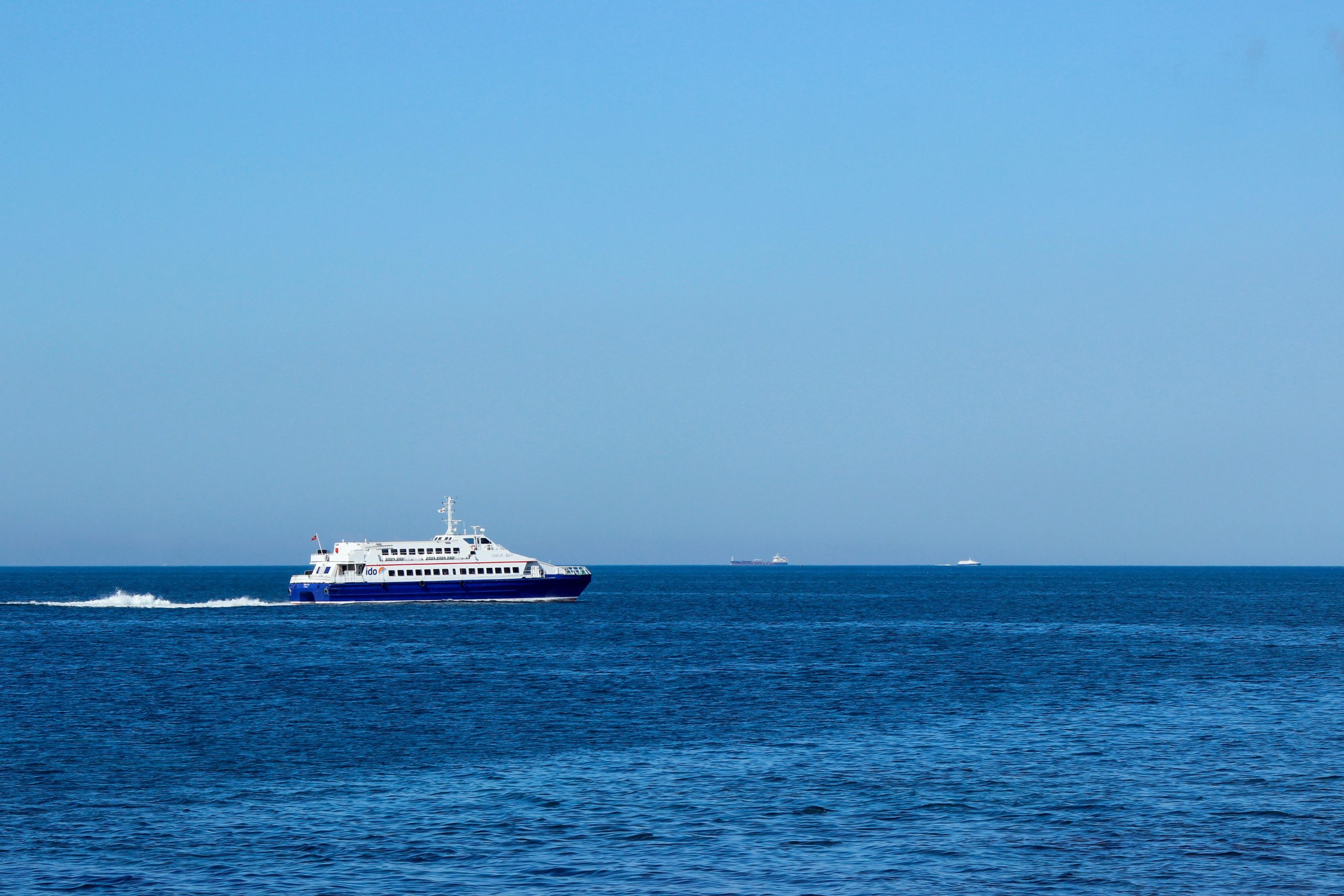
For island hopping, late May through June and September are usually ideal. Ferry schedules are extensive, most hospitality businesses are open, and conditions are more comfortable than the peak of summer. If swimming is your top priority, June through September is the safer bet.
For beaches, July, August, and September are strongest. June is also excellent in many places, especially in southern islands. If you want warm water and fewer crowds, September often comes out ahead.
For Athens and archaeological touring, spring and fall are best. The Acropolis, Delphi, and other major sites are far more enjoyable when you are not navigating intense midday heat. Winter can also work beautifully for urban travelers who prioritize museums, food, and a slower rhythm.
For honeymoons or style-driven escapes, June and September strike the best balance. You still get glamorous beach settings and polished hotel experiences, but with a little more calm. July and August can still be fabulous, though they are more expensive and less private.
For families, June and early September are especially attractive if school schedules allow. The weather is strong, the sea is inviting, and popular resorts feel slightly less compressed than in high summer. If you need to travel in July or August, choosing larger islands or mainland coastal destinations can make the experience feel smoother.
Budget matters more than many travelers expect

Greece can shift noticeably in price by season. July and August are the costliest months across flights, hotels, villas, and ferry routes, especially on high-demand islands. A room that feels attainable in May or October may become dramatically more expensive in peak summer.
Shoulder season often offers the best value without giving up the essence of the experience. May, June, and September tend to provide the strongest balance between price and atmosphere. You may find better accommodation choices, easier table reservations, and more flexibility in building an itinerary.
Winter is the cheapest period in many destinations, but value only matters if the trip fits the season. A bargain on a nearly closed island is not much of a bargain if the experience you wanted is unavailable.
A few timing nuances worth knowing
Not every part of Greece behaves the same way. Crete has a longer season than many smaller islands, with warm conditions arriving earlier and lasting later. The Ionian islands are lusher and can feel slightly different in climate and scenery than the Cyclades. Athens is a year-round destination, while some small islands are intensely seasonal.
Local holidays, cruise schedules, and new airline or ferry routes can also shape the feel of a trip. A destination may look quiet on paper but feel busy on certain port-call days, especially in the most photographed island towns. That is one reason specialized planning matters.
If you want the postcard version of Greece with fewer compromises, think carefully about late spring and early fall before defaulting to midsummer. For many readers of Travelling Greece, that is where the country feels most balanced – still dazzling, still sunlit, but easier to savor.
The best time to go is the moment that matches your version of Greece, whether that means a June terrace in Naxos, a September swim off Crete, or a January afternoon at the Acropolis with room to stand still and take it in.