Missing your ferry in Athens usually has nothing to do with the sea. It happens on land – at the wrong port, in traffic, or in a last-minute scramble through a terminal packed with summer departures. That is why an Athens to Greek islands ferry guide matters before you ever board: Athens has multiple ferry gateways, routes vary sharply by island group, and the fastest option is not always the best one for your trip.
For travelers planning a classic island escape or a more layered hopping itinerary, ferries remain one of the most atmospheric ways to move through Greece. They are also highly practical when you understand how the system actually works. The key is choosing the right port, the right class of ferry, and the right island sequence for your time frame.
Start with the right port
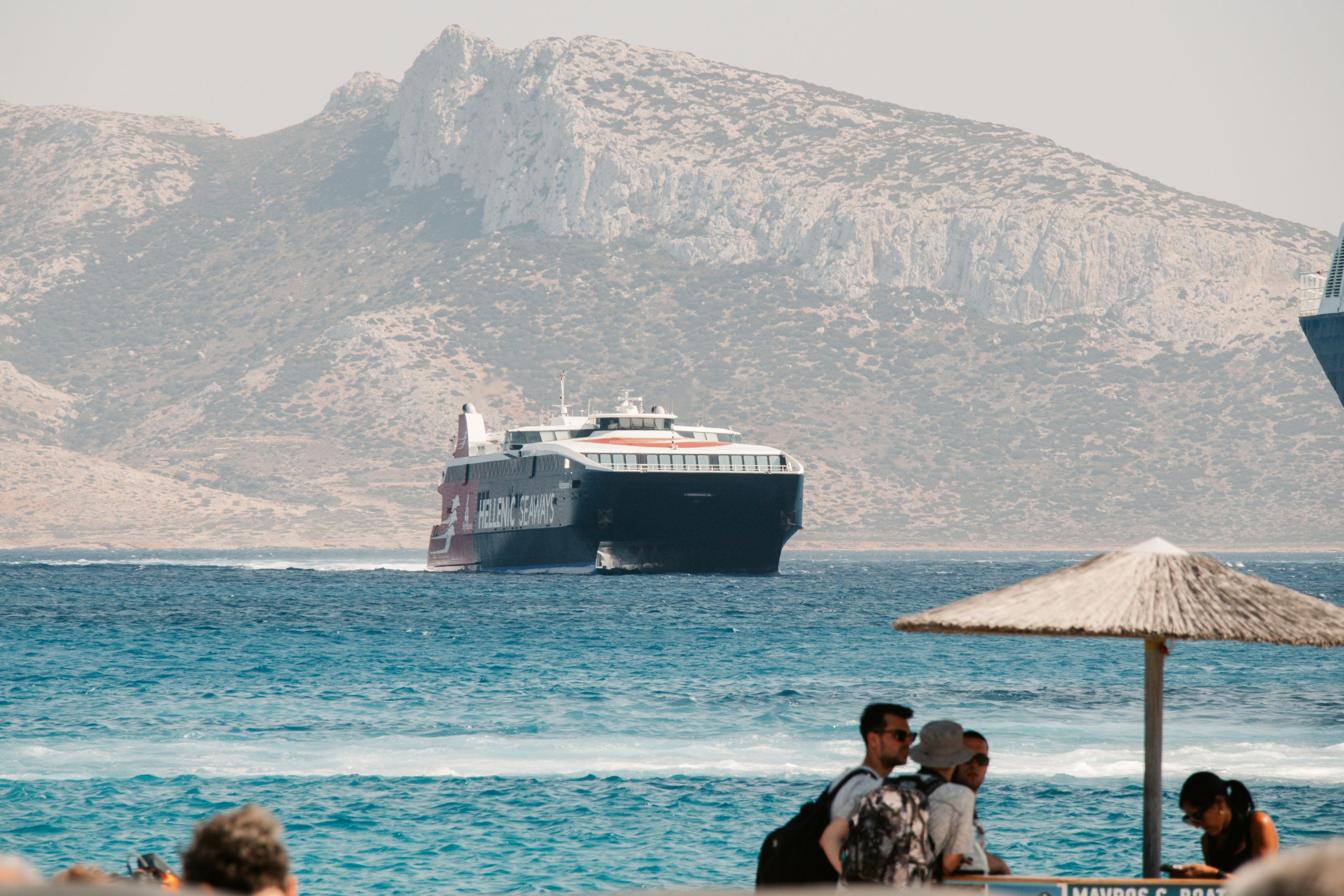
Most island ferries from Athens leave from Piraeus, the city’s main port and the one most international travelers will use. It is the closest major hub to central Athens and the airport in terms of overall connectivity, and it serves a wide range of islands including the Cyclades, Crete, the Saronic Gulf, and parts of the Dodecanese.
Rafina is the second major option and often the smarter one for certain Cycladic routes. If you are heading to islands such as Mykonos, Andros, Tinos, or Naxos, Rafina can be easier and less overwhelming than Piraeus. It is also geographically closer to Athens International Airport, which makes a difference if you are landing and continuing onward the same day.
Lavrio is the quieter third port. It handles fewer routes and is often overlooked by first-time visitors, but it can be useful for select Cyclades islands and for travelers who prefer a smaller, calmer departure point.
This is where many ferry plans go wrong. Travelers assume all Athens ferries are interchangeable, but your island determines your port more than your hotel location does. If your route works from both Piraeus and Rafina, then convenience, timing, and sea conditions can shape the better choice.
Which islands are easiest from Athens?
If you want a low-friction start, the Saronic Islands are the easiest. Hydra, Aegina, Poros, and Spetses are close to Athens and ideal for short stays, weekend add-ons, or travelers who want island character without committing to a long crossing. These routes usually depart from Piraeus and are especially appealing if your trip includes time in the capital.
For the Cyclades, timing matters more. Islands such as Paros, Naxos, Mykonos, Syros, Tinos, and Santorini are among the most popular ferry-linked destinations from Athens, but travel times vary depending on whether you take a conventional ferry or a high-speed vessel. A high-speed crossing can save hours, but it tends to cost more and can feel less comfortable in rough weather.
Crete is also a major ferry destination from Athens, especially via Piraeus, with arrivals typically in Heraklion or Chania. This is less of a quick island-hop and more of a substantial transit, often done overnight. For some travelers, that is a romantic part of the journey. For others, especially families with young children or anyone on a tight schedule, a flight may be the more efficient choice.
The Dodecanese and North Aegean islands are possible from Athens by ferry too, but they generally require more time. If your vacation is under a week, those longer sailings can take a large bite out of it.
Fast ferry or conventional ferry?

This is one of the most useful decisions in any Athens to Greek islands ferry guide because speed changes both price and experience.
High-speed ferries are attractive for obvious reasons. They cut travel time significantly on many routes and make islands like Mykonos, Paros, or Naxos feel more accessible from Athens. If you are building a multi-island itinerary and want to maximize time on the ground, they can be worth the extra cost.
But they are not automatically better. Conventional ferries are usually cheaper, often more spacious, and generally a smoother ride for travelers prone to motion sickness. They also tend to be easier if you are carrying more luggage or traveling with a car. On some longer routes, the slower journey can feel more relaxed and part of the experience rather than time lost.
In peak summer, the high-speed option sells on efficiency. In shoulder season, the conventional ferry can offer better value and a calmer pace. It depends on whether your trip is built around moving fast or enjoying the crossing itself.
How far in advance should you book?
If you are traveling in July or August, especially to marquee islands, book early. The most desirable departures – morning sailings, Friday departures, and routes tied to popular island combinations – can fill well ahead of time. This is even more relevant if you want assigned seats, vehicle transport, or a private cabin on an overnight route.
In May, June, and September, you usually have more flexibility, though waiting until the last minute is still risky on famous routes. Shoulder season can be ideal for travelers who want the ferry experience without the full summer crush, but services may be less frequent than they are in high season.
Outside the core travel months, schedules can change and some routes reduce significantly. That does not make island travel harder, but it does mean your planning has to be more intentional. A shoulder-season itinerary that looks effortless on paper may require a different island order than it would in August.
Timing your ferry day in Athens
Athens ferry departures reward caution, not bravado. Piraeus is a major working port, not a small marina, and it can feel chaotic if you arrive unprepared. Give yourself a time buffer, especially if you are taking a taxi from central Athens or connecting from the airport.
If you are departing from Rafina or Lavrio, the experience is typically more manageable, but that does not mean you should cut it close. Summer traffic, port changes, and terminal confusion happen. Ferry companies can also assign different gates or departure points within the port area.
If you land in Athens the same day as your ferry, build in margin. International flights, passport control, baggage delays, and road traffic make tight same-day connections stressful. If the ferry is central to your itinerary, an overnight in Athens before departure is often the smarter move.
Choosing the right island pairings
The best ferry itinerary is not always the most famous one. Santorini and Mykonos are obvious draws, but they are not the only pairing worth your time, and they can make a trip feel crowded and expensive very quickly.
For a smoother route from Athens, consider combinations that make geographic sense. Syros and Tinos work well together for travelers who want Cycladic beauty with more local texture. Paros and Naxos are a natural match for beaches, villages, and easy onward connections. Hydra and Spetses suit travelers who want elegance, car-free charm, and a shorter transfer from Athens.
This is where specialist Greece coverage becomes genuinely useful. The right route depends on whether you want nightlife, design-forward hotels, food culture, family-friendly beaches, or a quieter island with strong visual character. Ferry convenience should support the trip you want, not dictate a rushed checklist.
Practical details that save headaches
Pack with embarkation in mind. Ferries are less restrictive than flights in spirit, but moving luggage up ramps, across decks, and through busy seating areas is easier when you are not traveling with oversized bags. If you are island hopping, lighter is better.
Sea conditions matter, especially on high-speed routes. Meltemi winds in summer can affect crossings in the Aegean, sometimes causing delays or discomfort. If you are sensitive to motion, choose seats strategically, carry medication if needed, and avoid building an itinerary with zero flexibility.
If you are bringing a car, check whether you actually need one. On some islands it is useful, even transformative. On others, it becomes an expensive complication, especially where parking is limited or the best base is a walkable port town.
And pay attention to overnight ferries. They can save the cost of a hotel night and make long routes feel efficient, but sleep quality varies. A cabin changes the experience entirely, particularly on routes to Crete or farther island groups.
When a ferry is not the best option
Ferries are iconic, but not every Greece trip should be built around them. If you have five days total and your dream is a far-flung island, a flight may preserve more vacation time. If you are traveling with toddlers, elderly relatives, or a lot of luggage, the romance of a long transfer can fade quickly.
The strongest Greece itineraries usually balance atmosphere with realism. Sometimes that means taking a ferry out and flying back. Sometimes it means choosing islands closer to Athens instead of chasing a route that looks glamorous online but eats up two full travel days.
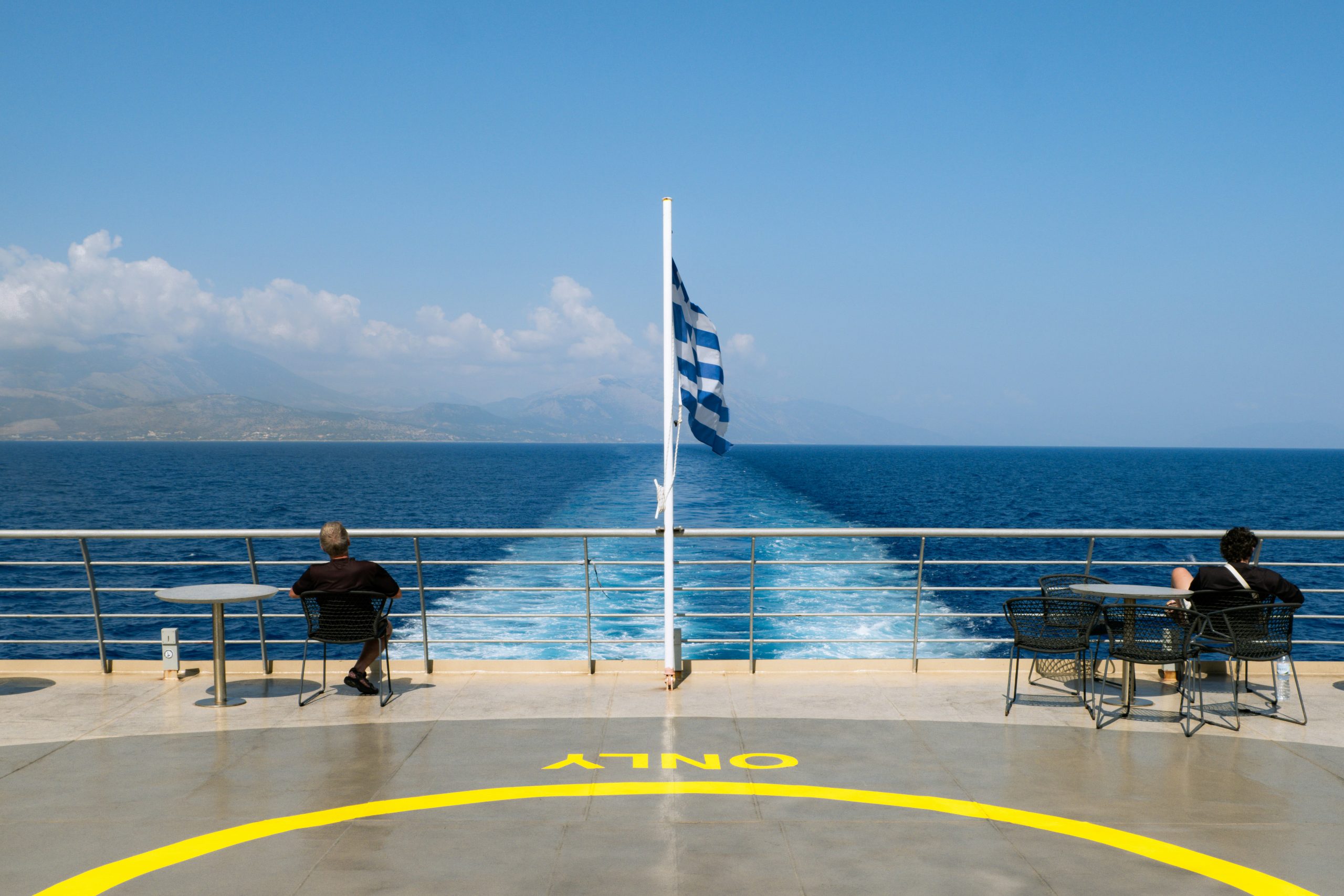
For many travelers, the ferry becomes one of the most memorable parts of the trip once expectations are set properly. You are not just getting from Athens to an island. You are watching the city loosen its grip, the mainland recede, and the Aegean start to define the pace. Plan it well, and that transition feels less like transit and more like the true beginning of Greece.
Finding the Perfect Base Before You Sail
If your ferry plans require an overnight stay in Athens or Piraeus before your departure, Piraeus Port Suites stands out as the ideal accommodation choice. With a boutique collection of 7 well-appointed apartments, this property provides a seamless, stress-free bridge between the city and the sea.
 By staying here, you can trade the chaos of last-minute travel for comfort and convenience, ensuring you are refreshed, packed, and perfectly placed to reach your ferry terminal with time to spare.